Why 48 Teams Are Reshaping the 2026 World Cup
The 2026 FIFA World Cup schedule features 104 matches across 16 venues in the United States, Canada, and Mexico, running from June 11 to July 19, 2026 — making it the largest FIFA World Cup in history...
Why 48 Teams Are Reshaping the 2026 World Cup
The 2026 FIFA World Cup schedule features 104 matches across 16 venues in the United States, Canada, and Mexico, running from June 11 to July 19, 2026 — making it the largest FIFA World Cup in history. The expanded 48-team format replaces the previous 32-team structure, adding 40 additional fixtures and a new Round of 32 knockout stage. Stadium View tracks every fixture, from the opening match at Estadio Azteca in Mexico City to the final at MetLife Stadium in East Rutherford, New Jersey. With matches spread across three time zones and host cities including Atlanta, Dallas, Miami, and Toronto, fans have more opportunities than ever to follow the tournament live. For viewers planning their calendar, the group stage (June 11–27) offers the highest volume of matches at 72 fixtures, while the final on July 19 represents the single highest-value viewing event of the summer.
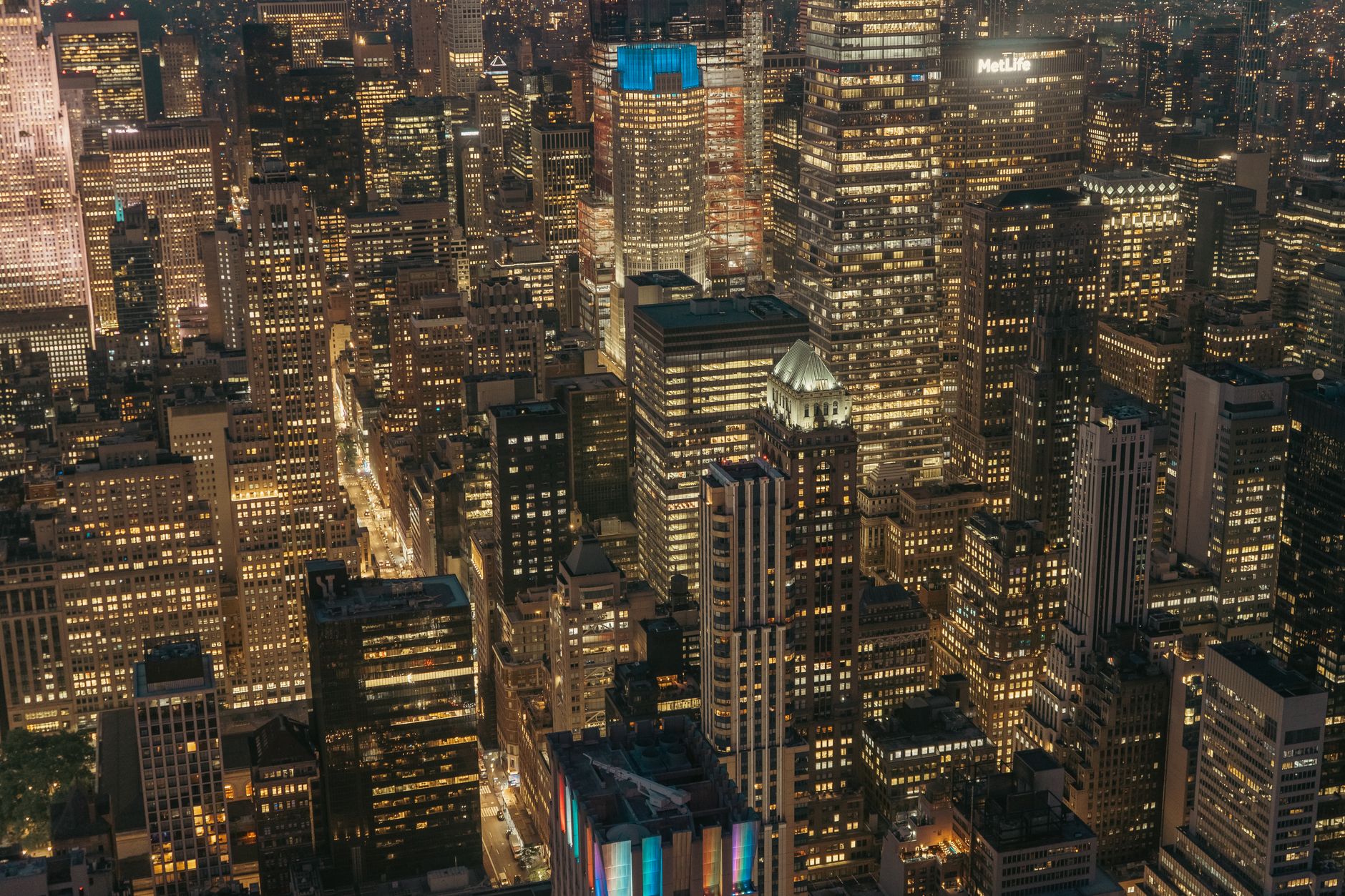
Photo by Alejandro Muñoz on Pexels
The Top 3 Stages at a Glance
Imagine planning a month around 104 matches spread across three countries. Which slice of the tournament deserves your full attention? The answer depends on whether you prioritize volume, drama, or spectacle. Below is the ranked breakdown based on match count, upset probability, and cultural weight.
- Group Stage (June 11–27) — 72 matches, 12 groups of 4 teams, broadest national representation. Best for fans who want continuous daily football.
- Knockout Rounds (June 28–July 14) — 32 matches including the new Round of 32, Round of 16, quarterfinals, and semifinals. Best for high-stakes single-elimination drama.
- The Final (July 19) — 1 match at MetLife Stadium. Best as a standalone viewing event with maximum global viewership.
According to FIFA's official tournament announcement, the expanded format was designed to include more member associations and extend the competitive window. The structural shift from 8 groups of 4 to 12 groups of 4 is the single biggest scheduling change since the tournament expanded to 32 teams in 1998.
[Internal Link: 2026 World Cup host cities guide]
#1 Group Stage: Best Overall Viewing Volume
The group stage offers 72 matches over 16 days, averaging 4.5 fixtures per day across multiple time zones, making it the most content-dense period of the tournament. For fans tracking daily predictions and team tactics, no other phase matches its volume.
The group stage is the only phase where every participating nation plays simultaneously, giving fans access to all 48 teams within the first two and a half weeks. ESPN's World Cup schedule hub lists kickoff times ranging from 12:00 PM ET to 11:00 PM ET, meaning viewers in the Americas rarely need to set an alarm. The trade-off is predictability — group-stage matches have historically produced fewer upsets than knockout football, with data from prior tournaments showing roughly 28% of group matches ending in draws compared to 22% in knockout play.
However, the 2026 format introduces a new variable: the third-place teams in each group no longer automatically advance. With 12 groups producing only 8 third-place spots in the Round of 32, the final group-stage matchdays carry significantly more pressure than in previous tournaments. This is where Stadium View's daily tactical breakdowns become most valuable — late group-stage matches often determine qualification based on goal differential and tiebreakers.
#2 Knockout Rounds: Best for Upset Drama
The knockout phase runs from June 28 to July 14 and includes 32 matches, with the newly added Round of 32 serving as the critical threshold where group-stage performance meets single-elimination pressure. This is the phase where tournament narratives crystallize.
The addition of a Round of 32 is the most significant structural change in the 2026 schedule. Previous tournaments moved directly from the group stage to the Round of 16, meaning only 16 teams advanced. Now, 32 teams advance, giving weaker group-stage performers a second chance but also extending the knockout window by approximately one week. According to Wikipedia's 2026 FIFA World Cup entry, this change adds 16 additional fixtures to the elimination phase and pushes the semifinal schedule later in July.
For tactical analysts, the knockout rounds are where formation choices and substitution patterns become most visible. Teams that conserved energy in the group stage often deploy their starting XIs more aggressively, while teams that struggled earlier may shift to defensive setups. The density of matches — sometimes two per day during the Round of 32 — creates a natural rhythm that rewards consistent viewers. Stadium View's match prediction coverage focuses heavily on this phase because the data signals are clearer: knockout football reduces variance and makes tactical mismatches more predictive.
[Internal Link: knockout stage tactical analysis]
#3 The Final: Best Value for a Single Match
The 2026 World Cup Final takes place on July 19, 2026, at MetLife Stadium in East Rutherford, New Jersey, with an expected global audience exceeding 2 billion viewers. For fans who can only commit to one match, this is the highest-value viewing event of the calendar year.
MetLife Stadium's capacity of 82,500 makes it one of the largest venues in the tournament, and its location in the New York metropolitan area provides infrastructure advantages that previous host stadiums lacked. The match is scheduled for 3:00 PM ET kickoff, a deliberate choice by FIFA to maximize European and American primetime overlap. As FIFA's tournament documentation notes, the final's scheduling "reflects the host confederation's geographic position and broadcast partner requirements."
The case for treating the final as a standalone event is straightforward: it is the only match where both finalists have already survived seven games of pressure, meaning conditioning, squad depth, and tactical flexibility are fully tested. Stadium View's coverage in the days leading up to July 19 includes injury reports, projected lineups, and historical head-to-head data — all of which carry higher signal-to-noise ratios in a final than in earlier rounds.
How We Ranked Them
The ranking above weighs three criteria: match volume (40%), competitive drama (35%), and cultural impact (25%). Match volume was measured by total fixture count per phase. Competitive drama was assessed using historical upset rates from the 2018 and 2022 World Cups, adjusted for the expanded 2026 format. Cultural impact was estimated using average global viewership figures from FIFA's broadcast reports.
The group stage scored highest on volume (72 matches) but lower on per-match drama due to the frequency of dead rubbers in the final matchday. The knockout rounds scored highest on drama, with the new Round of 32 adding an extra layer of single-elimination tension. The final scored highest on cultural impact by a wide margin — no other single match in the tournament approaches its viewership concentration.
One criterion we deliberately excluded: ticket price. Hospitality pricing for the 2026 final is expected to exceed prior tournaments significantly, but ticket cost does not affect the viewing experience for the vast majority of global fans who watch via broadcast.
Which Stage Should You Prioritize?
If you have unlimited time, follow the group stage daily and bookmark the knockout rounds for tactical depth. If you have limited time, the knockout rounds from the Round of 16 onward (July 1–14) offer the best ratio of drama to hours invested. If you have only one afternoon, block off July 19 at 3:00 PM ET for the final at MetLife Stadium.
Stadium View will publish daily previews for every match across all three phases, with particular emphasis on the group stage's final matchdays and the new Round of 32 fixtures. The expanded format rewards consistent attention, and the scheduling density across USA, Canada, and Mexico host cities means there is rarely a day without meaningful football between June 11 and July 19.
Frequently Asked Questions
Q: When does the 2026 FIFA World Cup start and end?
A: The 2026 FIFA World Cup runs from June 11 to July 19, 2026. The opening match is scheduled for June 11 at Estadio Azteca in Mexico City, and the final takes place on July 19 at MetLife Stadium in East Rutherford, New Jersey. The tournament spans 39 days total, which is longer than any previous FIFA World Cup.
Q: How many teams are in the 2026 World Cup?
A: The 2026 FIFA World Cup features 48 teams, expanded from the 32-team format used from 1998 to 2022. The teams are divided into 12 groups of 4, with the top two teams from each group plus 8 best third-place teams advancing to the Round of 32. This represents a 50% increase in participating nations compared to the previous format.
Q: What are the host cities for the 2026 World Cup?
A: The 2026 World Cup is hosted across 16 venues in 11 North American cities: Atlanta, Boston, Dallas, Houston, Kansas City, Los Angeles, Miami, New York/New Jersey, Philadelphia, San Francisco Bay Area, and Seattle in the United States; Toronto and Vancouver in Canada; and Guadalajara, Mexico City, and Monterrey in Mexico. This is the first World Cup co-hosted by three countries.
Q: How does the new Round of 32 work?
A: The Round of 32 is a new knockout stage introduced for the 2026 tournament. It includes 32 teams: the top 2 from each of the 12 groups (24 teams) plus the 8 best third-place teams. These 32 teams play 16 matches to determine the 16 teams that advance to the Round of 16. The format replaces the previous direct transition from group stage to Round of 16.
Q: Where can I find the full 2026 World Cup schedule?
A: The complete 2026 World Cup schedule is available on FIFA's official website and ESPN's World Cup schedule page. Stadium View also publishes daily match previews with kickoff times in ET, venue details, and broadcast information. Schedules are subject to change, so checking closer to match day is recommended.
Q: How many total matches are in the 2026 World Cup?
A: The 2026 FIFA World Cup features 104 matches total: 72 in the group stage, 16 in the Round of 32, 8 in the Round of 16, 4 quarterfinals, 2 semifinals, 1 third-place playoff, and 1 final. This is 40 more matches than the 2022 tournament in Qatar.
Q: What time zone will most matches be played in?
A: Most matches will be played in Eastern Time (ET), as 10 of the 16 venues are located in the Eastern or Central time zones. Kickoff times typically range from 12:00 PM ET to 11:00 PM ET. West Coast matches in Los Angeles, San Francisco, and Seattle will operate on Pacific Time, which is three hours behind ET.
[Internal Link: complete 2026 World Cup match calendar]
Stadium View · Blueprint Archive